
Here’s what you’ll learn in this guide:
- Why wildfire risk in Los Angeles is changing and what it means for your home insurance.
- How the insurance market in California is reacting to these risks.
- A step-by-step plan to assess your home’s vulnerability to wildfire.
- Practical mitigation techniques to protect your property from embers and flames.
- How to document your efforts to potentially improve your insurance options.
- Where to find help and guidance when looking for fire insurance in LA.
Understanding LA’s Wildfire Risk
Living in Los Angeles means sunny days, beautiful beaches, and, for many, a constant awareness of wildfire season. It’s a part of life here, especially if your home sits near the wildland-urban interface (WUI) – those areas where houses meet undeveloped land. Think about the hillsides of Malibu, the canyons of the Santa Monica Mountains, or the brush-heavy areas bordering the Angeles National Forest. These aren’t just pretty views; they’re also prime spots for wildfires to ignite and spread.
Honestly, the threat isn’t just a seasonal worry anymore. Climate change plays a big role. We’re seeing longer periods of drought, drier vegetation, and stronger Santa Ana winds. This combination turns what used to be “fire season” into more of a year-round concern. Fires like the Woolsey Fire or the Thomas Fire showed us just how quickly things can go from bad to catastrophic, wiping out entire neighborhoods in a flash. It’s not just about the flames, either; embers can travel for miles, sparking new fires far from the original blaze.
The Shifting Sands of LA Fire Insurance
Because of this growing risk, getting fire insurance in Los Angeles has become a real headache for many homeowners. It’s not just you. Many major insurers, like State Farm and Farmers, have either pulled back from offering new policies in California or are jacking up rates significantly. Premiums jumped 40% between 2022 and 2024 for some folks. Others have found their policies non-renewed entirely.
But here’s the thing. It’s not just about the insurance companies being difficult. They’re trying to manage their own risks. When they pay out billions in claims after a bad fire season, they have to adjust. This often means higher prices or stricter rules for who they’ll cover. That’s not the whole story. California’s unique insurance regulations, like Proposition 103, also limit how much insurers can raise rates, sometimes making it harder for them to stay profitable here. This creates a tough market for everyone.
For those who can’t find coverage through traditional insurers, there’s the California FAIR Plan. It’s the state’s “insurer of last resort.” It’ll cover you, but it often comes with higher prices and less comprehensive coverage than a standard policy. The good news? The state is pushing for changes, trying to get insurers back into the market by allowing them to factor in homeowners’ mitigation efforts when setting rates. This means what you do to protect your home can make a real difference.

Step 1: Assess Your Home’s Wildfire Vulnerability
Before you can protect your home, you need to know what you’re up against. Think of it like a doctor’s visit: you need a diagnosis before you get a treatment plan. Your home has specific vulnerabilities, and understanding them is the first step.
Understand Your Wildfire Risk Zone
First, figure out if you’re in a high-risk area. Many parts of LA County are designated as High or Very High Fire Hazard Severity Zones. You can often find this information through CAL FIRE’s mapping tools or your local fire department. Knowing your zone helps you understand the level of threat and what specific building codes or ordinances might apply to your property.
Get a Professional Assessment
While you can certainly walk around your property and identify obvious issues, a professional assessment gives you a much clearer picture. Many fire departments offer free or low-cost wildfire home assessments. They’ll send someone out to evaluate your property, looking at everything from vegetation to construction materials. They’ll point out specific areas where your home is most vulnerable and suggest targeted improvements. This is incredibly valuable, providing expert eyes on your unique situation. Some private companies also offer these services, often with more detailed reports.
Step 2: Create Your Defensible Space
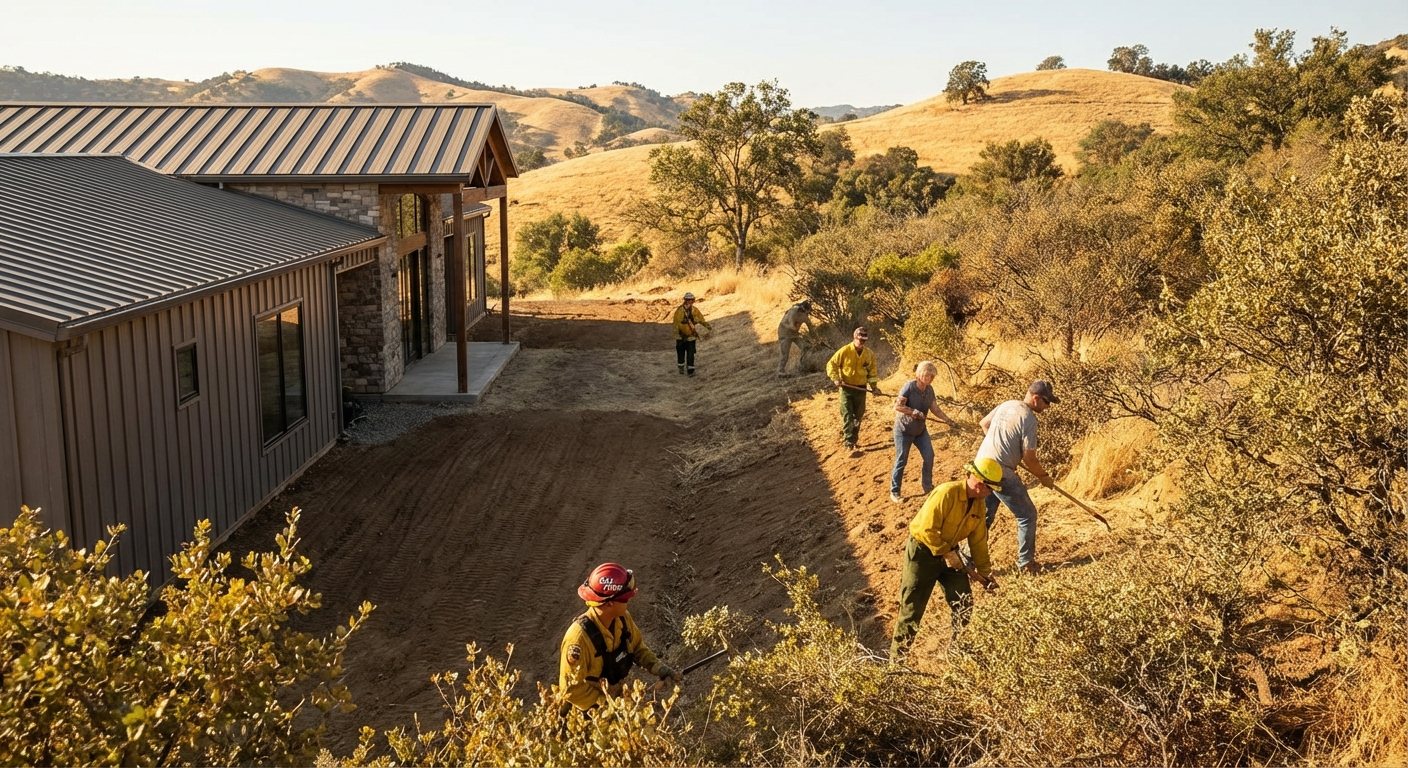
Defensible space is probably the most talked-about mitigation strategy. It’s all about creating zones around your home where fire can’t easily spread. This isn’t just about protecting your house; it gives firefighters a safer place to work if a wildfire approaches. CAL FIRE breaks it down into three zones, and it’s smart to follow their guidelines.
Zone 0: The Immediate Zone (0-5 feet from your home)
This is the most critical area. Embers are the biggest threat here, not direct flames. They can land on anything flammable and quickly ignite your house. What should you do?
- Clear it out: Remove all flammable materials. That means no woodpiles, no dead leaves, no pine needles, no mulch made from shredded bark.
- Hardscape: Consider using non-combustible materials like concrete, gravel, or pavers for patios and walkways in this zone.
- Plants: If you must have plants, choose low-flammability, well-irrigated options, and keep them sparse. Definitely no dry grasses or shrubs.
- Cleanliness: Keep gutters and roof valleys free of leaves and debris. Embers love to nestle in there.
Zone 1: The Intermediate Zone (5-30 feet from your home)
Here, you’re trying to slow down a fire and reduce its intensity. This zone needs careful management.
- Space out vegetation: Don’t let shrubs and trees grow into a continuous fuel source. Create gaps between plants and between plants and your home.
- Trim trees: Remove tree limbs within 10 feet of your chimney and any branches that hang over your roof. Cut off lower tree branches up to 6 feet from the ground (or one-third of the tree’s height for shorter trees). This helps prevent ground fires from climbing into the canopy.
- Remove dead stuff: Get rid of all dead or dying plants, leaves, and branches. They’re just fuel.
- Mow your lawn: Keep grasses mowed to 4 inches or less, especially during dry seasons.
Zone 2: The Extended Zone (30-100 feet from your home, or to your property line)
This zone is about reducing the fire’s intensity and keeping flames away from Zone 1. It’s less about individual plants and more about the overall density of vegetation.
- Reduce fuel load: Thin out dense areas of trees and shrubs. Don’t remove everything, but create more open spaces.
- Remove “ladder fuels”: These are smaller plants that can carry fire from the ground into taller trees. Clear them out.
- Maintain spacing: Ensure adequate horizontal and vertical spacing between plants.
Step 3: Harden Your Home Against Embers
Even with perfect defensible space, embers can still fly. This is where “home hardening” comes in. It’s about making your actual house resistant to ignition from those wind-blown sparks.
Roofing Materials
Your roof is the largest surface area of your home, making it a prime target for embers. Wooden shake roofs are a huge no-no. You want a Class A fire-rated roof. Think asphalt composition shingles, concrete or clay tiles, or metal roofing. If you’ve got an older roof, consider upgrading.
Vents
Attic and foundation vents are open invitations for embers. Replace standard vents with fine mesh screens (1/8-inch or smaller). This lets air in but keeps embers out. Make sure they’re metal, not plastic, as plastic can melt.
Windows and Doors
Single-pane windows can shatter from intense heat, allowing embers inside. Dual-pane windows with tempered glass offer much better protection. For doors, especially sliding glass doors, ensure they’re made of fire-resistant materials or have solid core construction. Keep screens on your windows and doors, too.
Siding and Exterior Walls
Flammable siding, like untreated wood, is a risk. Consider non-combustible materials such as stucco, fiber cement, or treated wood siding. If you have any gaps or cracks in your siding, seal them up. Embers are tiny; they’ll find any opening.
Decks and Fences
Wooden decks and fences attached to your home can act as a wick for fire. Consider fire-resistant decking materials or treat existing wood with fire-retardant coatings. For fences, especially those leading into wildland, a non-combustible section right near the house can make a big difference. Think about replacing the first 5-10 feet of a fence with metal or masonry.
Step 4: Maintain Your Mitigation Efforts
This isn’t a one-and-done project. Wildfire mitigation needs ongoing attention. Plants grow back. Leaves fall. Debris accumulates. You’ll need to make this a regular part of your home maintenance routine.
- Seasonal clean-ups: Before peak fire season (typically late spring/early summer), do a thorough check. Clear gutters, trim new growth, and remove any accumulated debris.
- Regular checks: Walk around your property once a month. Look for dead plants, overhanging branches, or anything that could become fuel.
- Irrigation: Keep your fire-resistant plants well-watered. Dry plants are still flammable plants.
Step 5: Document Everything for Your Insurer
You’ve put in the hard work; now prove it. This step is incredibly important for your insurance. When you’re trying to get a new policy, renew an existing one, or even if you unfortunately have a claim, having clear documentation of your mitigation efforts can be a game-changer.
- Take photos: Before-and-after photos of your defensible space, new roofing, vent screens, etc.
- Keep receipts: Hold onto invoices for materials purchased and services rendered (landscaping, tree trimming, home hardening contractors).
- Professional reports: If you had a professional wildfire assessment, keep that report handy.
- Certifications: Some areas offer “Firewise USA” certifications or similar programs. If your community participates, that’s excellent documentation.
Why does this matter? Insurers are starting to look at these details. Showing them you’re proactive can make your property look like a much better risk. It might not guarantee a lower premium, but it could be the difference between getting coverage and being denied.
Step 6: Navigating the Insurance Market (and Finding Help)
Even with all your mitigation work, finding the right fire insurance in LA can still feel like a puzzle. The market is tough, as we’ve discussed. But your efforts give you a stronger hand to play.
You might start with traditional insurers like AAA or Liberty Mutual, especially if you’ve done significant hardening. Be prepared to share all your documentation. If they still say no, or the rates are just too high, the FAIR Plan remains an option. Just remember, it’s often a basic policy, so you might need a “wrap-around” or “difference in conditions” policy from another insurer to cover things like liability or water damage that the FAIR Plan doesn’t include.
Which brings up something most people miss. This is where an experienced local insurance agent really shines. They know the California market inside and out. They understand which insurers are writing policies in specific high-risk areas, what kind of mitigation efforts those insurers value most, and how to combine policies if you’re using the FAIR Plan. Karl Susman of LA Fire Coverage Insurance, CA License #OB75129, has helped countless homeowners in Los Angeles navigate these choppy waters. He and his team know the nuances, and they can help you present your mitigated property in the best light to potential insurers. You can reach them at (877) 411-5200.
Don’t try to go it alone. An agent can save you time, money, and a lot of frustration.
Ready to see what options are out there for your protected LA home? Get a quote today!
FAQ: Your Wildfire Insurance Questions Answered
What is the “Wildland-Urban Interface” (WUI)?
The WUI is simply where developed areas, like neighborhoods, meet undeveloped natural land, such as forests, grasslands, or chaparral. Homes in the WUI are at higher risk for wildfires because they’re directly exposed to natural fuels.
Will mitigation guarantee me a lower insurance premium?
Not always. The short answer is yes, it can help. The real answer is more complicated. While mitigation significantly improves your home’s safety and makes it more attractive to insurers, premium rates are also affected by broader market conditions, your specific location’s overall risk, and state regulations. However, it can definitely improve your chances of getting coverage at all, or getting a more favorable policy than you would without it.
How often should I reassess my defensible space?
You should do a thorough reassessment at least once a year, ideally before the start of peak fire season. Regular maintenance throughout the year, like clearing gutters and trimming new growth, is also essential. Think of it as an ongoing commitment, not a one-time project.
Does my homeowners insurance cover wildfire damage?
Most standard homeowners insurance policies in California *do* include coverage for fire damage, including wildfires. However, in high-risk areas, insurers might exclude wildfire coverage or offer it with very high deductibles. This is why it’s so important to review your policy carefully and understand its specific terms. If your standard policy doesn’t cover it, or you’re using the FAIR Plan, you might need supplemental coverage.
Can Karl Susman help me even if my current policy was non-renewed?
Absolutely. That’s exactly the kind of situation an experienced agent like Karl Susman handles. He specializes in finding solutions for homeowners in challenging insurance markets, including those who’ve been non-renewed or are struggling to find initial coverage. His team can explore various options, including the FAIR Plan and wrap-around policies, to ensure your home is protected.
Ready to Protect Your LA Home?
Protecting your Los Angeles home from wildfire isn’t just about saving your property; it’s about safeguarding your family and your peace of mind. The steps might seem daunting, but each improvement you make reduces risk. It’s an investment in your future and your home’s security. Don’t wait for the next fire season to start thinking about it. Take action now.
To discuss your specific fire insurance needs and get tailored advice for your Los Angeles property, connect with Karl Susman and the LA Fire Coverage Insurance, CA License #OB75129. You can call them directly at (877) 411-5200 or visit their website.
Find out how your mitigation efforts can impact your insurance options. Get a quote today!
This article is for informational purposes only and does not constitute financial advice.