
The Unthinkable: When Fire Strikes Home
The smell of smoke hung heavy in the air, even miles away. Sarah Miller clutched her phone, watching the local news channel’s map light up with red. Flames were licking at the edges of the Santa Clarita Valley, pushing closer to their home in a canyon community. Her husband, Tom, was already packing photo albums and important documents into the car. Their two kids, Maya and Leo, were surprisingly calm, mostly because they were still focused on which toys to grab. But Sarah knew the fear in her gut was real. Evacuation orders were coming. The big question, the one that hit her like a punch to the stomach: Where would they go?
That’s the moment for so many California families. One minute you’re living your life, the next you’re staring at an orange glow on the horizon, wondering if your home will even be there tomorrow. And if it isn’t, or if it’s too damaged to live in, what then? Where do you sleep? How do you feed your family? How do you even begin to rebuild a normal life when your normal has literally gone up in smoke?
The Immediate Aftermath: Finding Shelter
For the Millers, the first few nights were a blur. A motel room near the freeway, then a friend’s spare bedroom a bit further away. Their insurance company had given them a claim number, and an adjuster was assigned. But the immediate need was just a roof over their heads, a place to process the shock. Not always easy to find when thousands of other families are suddenly in the same boat, all scrambling for the few available hotel rooms.
This initial scramble is often covered by a part of your homeowner’s insurance policy called “Loss of Use,” or sometimes “Additional Living Expenses” (ALE). It’s designed to pay for the extra costs of living somewhere else while your home is uninhabitable due to a covered loss, like a wildfire. But it’s not a blank check, and understanding how it works before disaster hits can save you a world of hurt when you’re already reeling.

Understanding Loss of Use Coverage: Your Safety Net
Think of Loss of Use coverage as your financial bridge during a crisis. It steps in when a fire, or some other covered event, forces you out of your home. It doesn’t just cover hotels; it’s meant to put you back in a similar living situation to what you had before the damage.
What “Loss of Use” Really Means
So, what does that actually mean? It means your policy pays for things like hotel stays, rental homes, or even an RV rental if that’s what makes sense for your family. It also covers the *additional* expenses you incur because you can’t live at home. This isn’t your normal mortgage payment or utilities — you’d pay those anyway. Instead, it’s the extra cost of eating out because you don’t have a kitchen, the laundry service you wouldn’t normally need, or the storage unit for your salvaged belongings.
For the Millers, once the initial panic subsided, the adjuster explained that their policy would cover a rental home that matched the size and amenities of their damaged house. This was a huge relief, though finding such a place in a tight rental market like Southern California was its own challenge.
Limits and How They Work
Here’s where it gets interesting. Loss of Use isn’t unlimited. Your policy will have a specific dollar limit, often expressed as a percentage of your dwelling coverage (say, 20% or 30%). Some policies might have a time limit too, like 12 or 24 months. These limits are absolutely critical. If your dwelling coverage is $500,000, and your Loss of Use is 20%, that means you’d have $100,000 for temporary living expenses. That sounds like a lot, right? But rebuilding a home in Ventura County can take a year or two, sometimes longer, especially after a widespread disaster. Rental costs in the Valley aren’t cheap.
Suddenly, $100,000 for two years of rent, food, and other extras can disappear faster than you’d think. This is why Karl Susman, with LA Fire Coverage Insurance, CA License #OB75129, always stresses the importance of understanding these limits *before* you need them. A quick call to someone who knows the ins and outs can make a big difference.
Beyond the Hotel: Long-Term Temporary Living
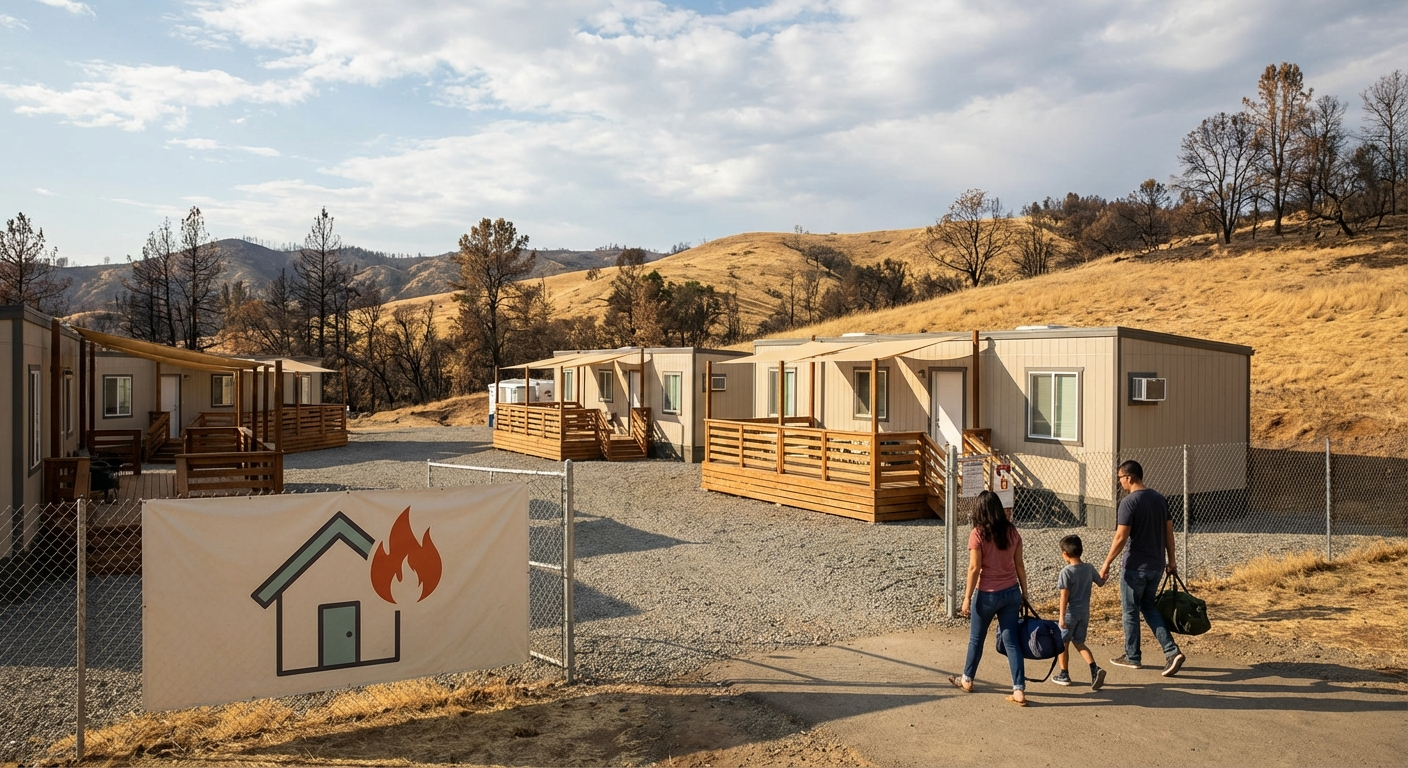
A few nights in a hotel is one thing. Living there for months, or even a year or two, is another. That’s why most families, once the immediate danger has passed and they know the extent of the damage, start looking for more stable temporary housing. This can take many forms.
Renting a Home While Yours is Rebuilt
This is often the preferred option for families like the Millers. It offers a sense of normalcy, with separate bedrooms, a kitchen, and a backyard. But finding a suitable rental in a popular area, especially when many other fire victims are also looking, can be tough. The insurance company works with you on this, covering rent up to a comparable standard of living. You’re not supposed to upgrade your lifestyle on their dime, but you shouldn’t have to downgrade significantly either.
The Millers found a three-bedroom house in a neighboring community after a few weeks. It wasn’t perfect, but it had a yard for the kids and a sense of routine returned. Their insurance paid the rent directly, which took a huge weight off their shoulders.
The RV Option: A Different Kind of Home
Sometimes, a rental home just isn’t available or practical. For some, especially those with property where an RV can be parked, it’s a viable option. Maybe you’re overseeing the rebuild daily, and living on-site, even in a temporary vehicle, makes sense. Your insurance can cover the rental cost of an RV, often including parking fees and utilities. It’s not for everyone, particularly if you have a large family, but it offers flexibility and can keep you close to your community.
But wait — there are considerations. Do local ordinances allow you to park an RV on your property? Do you have hookups for water and electricity? These are the kinds of questions that can complicate an already stressful situation.
Navigating the Claim Process for Temporary Housing
Filing a claim is rarely simple, and temporary housing adds another layer. It requires patience, organization, and clear communication with your insurance company.
Documentation is Your Best Friend
Every receipt. Every email. Every phone call. Document it all. If you stay in a hotel, keep the bill. If you rent a car, keep the agreement. If you eat out more than usual, track those meals. Your insurance company will ask for proof of these additional expenses. A simple spreadsheet can be a lifesaver. This goes for the Millers too; Sarah kept a meticulous file of every expense, which made reimbursement much smoother.
Working with Your Adjuster
Your adjuster is your main point of contact. They’re the ones who approve your expenses and guide you through the process. Be polite, be persistent, and be clear. Don’t be afraid to ask questions. If you’re unsure if an expense will be covered, ask first. It’s much better to get a “yes” upfront than to submit a receipt and have it denied later. Sometimes, adjusters are swamped, especially after large-scale fires like the ones that have hit areas like Ventura County. A little patience on your end can go a long way, but don’t let your needs get lost in the shuffle.
The Hidden Costs and Common Pitfalls
Beyond rent and food, there are so many other small things that add up when you’re displaced. These are the “hidden costs” that often catch people off guard.
Don’t Forget the Small Stuff
Think about pet care. If your pets can’t stay in a temporary rental, boarding costs can be significant. What about mail forwarding? School enrollment changes if you move to a new district? Storage for the items you managed to salvage but can’t fit into your temporary home? These aren’t usually front-of-mind when you’re running from a fire, but they become real issues fast.
The emotional toll is also immense. Being displaced, even with good insurance, is incredibly stressful. It’s a marathon, not a sprint. Acknowledge that, and allow yourself some grace. The Millers found that even with a good temporary home, the kids struggled with the disruption to their routine. This is normal.
The California Insurance Market: Why It’s More Complex Now
For decades, California homeowners rarely thought twice about fire insurance. Now? It’s a whole different story. Premiums jumped 40% between 2022 and 2024 for many homeowners. Insurers like State Farm and Farmers have pulled back from writing new policies in some high-risk areas, leaving many scrambling. Even AAA has adjusted its offerings. The risk of wildfire in places like the Inland Empire, parts of the Valley, and foothills communities is simply too high for some carriers.
This means getting the right coverage, especially for something like Loss of Use, is more critical than ever. The California FAIR Plan, which acts as an insurer of last resort, often provides more basic coverage, meaning you might need a “Difference in Conditions” policy from a private insurer to fill the gaps, including robust Loss of Use limits.
Getting the Right Coverage Before Disaster Hits
Honestly, the best time to think about temporary housing coverage is now, not when the smoke is on the horizon. Review your policy. Understand your Loss of Use limits. Are they enough to cover rent for two years in your area? What about all those “additional” expenses? If you’re not sure, don’t guess.
This is precisely why working with an experienced insurance agent is so valuable. Karl Susman and the team at LA Fire Coverage Insurance, CA License #OB75129, have seen it all. They understand the nuances of the California market, the FAIR Plan, and how to make sure your policy truly protects you when you need it most. Don’t wait until you’re packing your car to ask these questions.
Want to ensure your family is protected like the Millers eventually were? Get a quote today to review your fire insurance options.
Frequently Asked Questions About Temporary Housing
How much Loss of Use coverage do I really need?
That’s a tough one, but here’s the thing: it depends heavily on where you live and how long it might take to rebuild. Consider the average rent for a comparable home in your area for at least 18-24 months, then add a buffer for extra living expenses like food, laundry, and storage. Many agents recommend at least 20-30% of your dwelling coverage amount, but for high-cost areas or complex rebuilds, you might need more.
Can I choose any temporary housing I want?
Not always. Your insurance company will generally cover “comparable” living expenses. This means they’ll pay for a rental that’s similar in size and quality to your damaged home, not necessarily a big upgrade. They want to put you back in a similar situation, not a better one. Always discuss options with your adjuster before signing a lease.
What if my temporary housing costs more than my policy limit?
If your actual, reasonable expenses exceed your Loss of Use limit, you’ll be responsible for the difference. This is why having adequate coverage from the start is so important. Some people, in a pinch, might have to settle for a smaller or less expensive temporary home than they’d prefer to stay within their budget.
Does Loss of Use cover my mortgage payments?
No, it doesn’t. Your mortgage payment is considered a regular expense you’d pay whether your home was damaged or not. Loss of Use only covers the *additional* living expenses incurred because you can’t live in your home. So you’ll still need to pay your mortgage.
How long does the insurance company pay for temporary housing?
Your policy will have a specific time limit, often 12 or 24 months, or until your home is repaired or rebuilt, whichever comes first. This period might be extended in some cases, especially after large-scale disasters where rebuilding takes longer than expected due to labor or material shortages. Always check your specific policy language.
Don’t let the uncertainty of temporary housing add to an already terrible situation. Be proactive. Contact Karl Susman at LA Fire Coverage Insurance, CA License #OB75129, or call (877) 411-5200 for a personalized look at your fire insurance options.
This article is for informational purposes only and does not constitute financial advice.