
The Shifting Sands of California Fire Insurance for Landlords
If you own rental property here in California, you’ve probably felt the ground shifting beneath your feet lately. Maybe your insurance premium jumped 40% between 2022 and 2024. Perhaps you got a non-renewal notice from a company you’d been with for decades, like State Farm, or found that AAA and Farmers were tightening their belts in fire-prone zones. It’s a stressful time, no doubt about it. You’re trying to protect your investment, keep your tenants safe, and still turn a profit. But what happens if a wildfire — or any covered peril — damages your rental home, and your tenants have to move out? That’s where “loss of rents” coverage comes in, and it’s something many landlords overlook until it’s too late.
California’s Fiery Reality: More Than Just a Bad Dream
There’s no sugarcoating it: California’s fire season isn’t just a season anymore; it feels like an ongoing state of affairs. We’ve seen fires sweep through Ventura County, devastate parts of the Inland Empire, and threaten homes right in the Valley. The science tells us it’s getting worse, with hotter, drier conditions and stronger winds. Remember the Thomas Fire in 2017? Or the Camp Fire that wiped out Paradise in 2018? Those events, and countless others, changed the insurance landscape forever.
For insurers, it’s a numbers game. More fires mean more payouts, and that means they have to adjust their strategies. Some companies have pulled back entirely from certain areas, or they’ve hiked premiums significantly. Others are getting much pickier about the homes they’ll cover, looking at brush clearance, roof materials, and even the slope of your property. It’s not about being unfair; it’s about trying to stay in business in a high-risk state. But for you, the landlord, it feels personal. It feels like you’re being penalized for owning property in the Golden State.
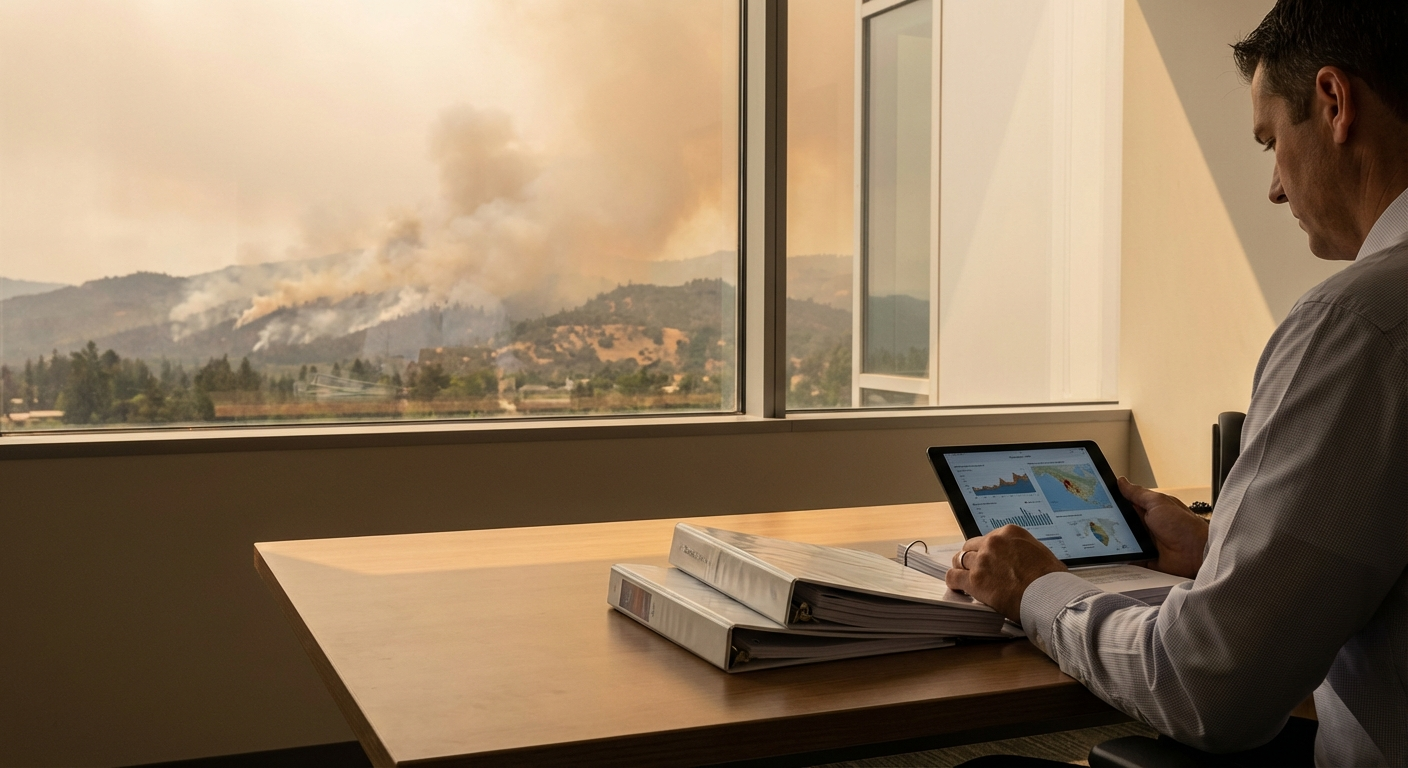
Your Homeowner’s Policy: What’s Missing When You’re a Landlord?
Most homeowners understand that their policy covers damage to their house. That’s pretty straightforward. But when you own a rental property, you’re not just protecting bricks and mortar; you’re protecting an income stream. And that’s a big difference.
Additional Living Expenses (ALE): Not For Your Tenants
If your primary residence becomes uninhabitable due to a covered event, your homeowner’s policy usually includes something called Additional Living Expenses, or ALE. This coverage helps you pay for temporary housing, like a hotel or a short-term rental, while your home is being repaired. It might even cover extra costs like meals or laundry services that you wouldn’t normally incur. ALE is designed to maintain your standard of living, but it’s *only* for you, the owner-occupant. Your tenants don’t get ALE from your policy.
Loss of Rents Coverage: The Landlord’s Lifeline
Here’s where it gets interesting. If your rental property is damaged and your tenants have to move out, they’re no longer paying you rent. But you still have your mortgage payment, property taxes, maybe HOA fees, and other ongoing expenses. That’s a serious financial hit. Loss of Rents coverage, sometimes called Fair Rental Value or Loss of Use, is specifically designed to replace that lost income.
Think about it: if a fire makes your duplex uninhabitable for six months while it’s being rebuilt, and your tenants were paying you $3,000 a month, that’s $18,000 in lost income. Can your cash flow handle that? Many landlords simply can’t. This coverage typically pays you the rental income you would have received during the period the property is being repaired or rebuilt, up to a certain limit and for a specific duration, usually 12 or 24 months. It’s not just for fire, either; it applies to any covered peril, like a major storm or even vandalism that makes the property unlivable.
The Landlord’s Nightmare: No Rent, Still Bills
Let’s paint a picture. You own a charming bungalow in Long Beach, rented out to a lovely young family. One day, a kitchen fire — not a wildfire, just an accidental kitchen fire — breaks out. It’s contained quickly, but the smoke damage is extensive, and a wall needs to be rebuilt. The property is unlivable for three months. Your tenants, understandably, find another place to stay. You’re happy they’re safe.
But then the reality sets in. Your mortgage payment is still due on the first of the month. The city still expects property taxes. And your insurance deductible? You’ve got to pay that too. For three months, you’re getting zero income from that property, but all the expenses keep piling up. This scenario isn’t rare; it happens all the time. Without Loss of Rents coverage, that “charming bungalow” quickly becomes a financial drain instead of an asset. You might even have to dip into savings, take out a loan, or worse, face foreclosure if you can’t cover the mortgage.
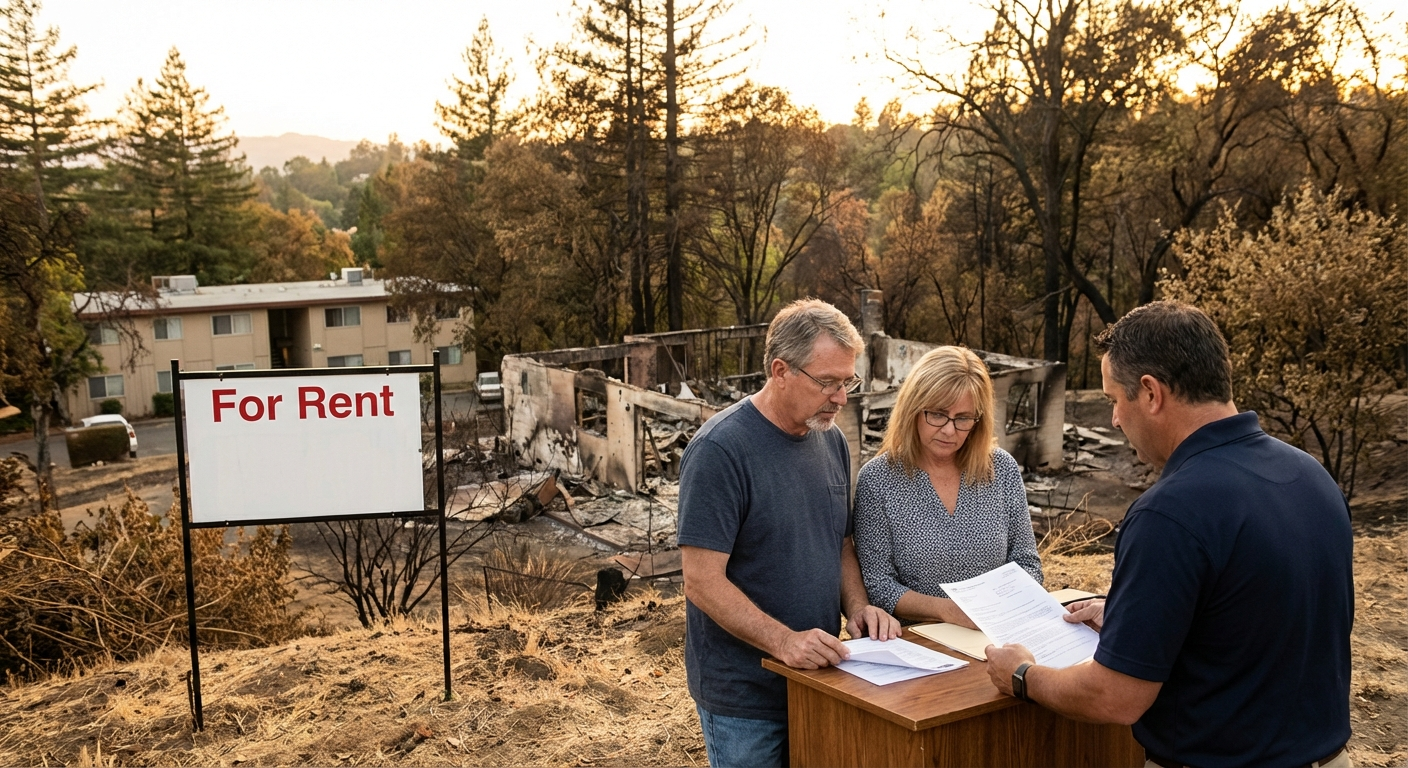
Getting the Right Coverage: It’s Not Always Easy
Finding adequate fire insurance in California has become a puzzle. Insurers are very particular. You might find that your long-time carrier won’t renew your policy if your property is within a certain distance of a brush area, even if you’ve never had a claim. Or they’ll offer coverage but exclude fire altogether, which, let’s be honest, defeats the purpose for many California landlords.
This brings up something most people miss: the California FAIR Plan. It’s often touted as the “insurer of last resort” for properties that can’t get coverage on the regular market. The short answer is yes, the FAIR Plan *can* provide fire coverage. The real answer is more complicated. While it offers basic fire insurance, it’s often not as broad as a standard policy, and its limits for things like Loss of Rents might be lower or require an additional endorsement. You might also need to buy a separate “Difference in Conditions” policy to cover perils like liability or theft that the FAIR Plan doesn’t touch. It’s a patchwork solution, and you really need an expert to help you piece it together.
What to Look For in Your Policy
When you’re looking at your rental property insurance, especially concerning fire and rent loss, you’ll want to dig into a few key areas:
* **Coverage Amount:** How much rent loss coverage do you actually have? Is it based on your gross monthly rents? Is it enough to cover your mortgage, taxes, and other expenses for a realistic repair period? What if repairs take longer than expected?
* **Duration:** How many months will the policy pay out lost rents? Is it 12 months? 24 months? For a major rebuild after a wildfire in a busy area, repairs can take a long time. You don’t want to run out of coverage before your property is ready for tenants again.
* **Deductibles:** What’s your deductible for a fire claim? Remember, you’ll likely have to pay this out of pocket before your coverage kicks in.
* **Exclusions:** Are there any specific exclusions that would prevent you from collecting lost rents? For example, if the property is uninhabitable due to a mandatory evacuation order but not direct physical damage, is that covered? Some policies are pickier than others.
* **Policy Type:** Is it an HO-3 (owner-occupied) or an HO-6 (condo) policy that’s been adapted for rental? Or is it a true DP-3 (Dwelling Fire policy for landlords)? The type of policy makes a big difference in what’s covered and how.
Honestly, poring over dense insurance documents isn’t most people’s idea of a good time. But understanding these details could save you tens of thousands of dollars if disaster strikes.
Working with a Trusted Advisor
This is where a knowledgeable insurance agent becomes your best friend. Someone who lives and breathes California insurance, who understands Prop 103 and the ever-changing regulations, can make all the difference. They’ll know which carriers are still writing in your area, what the FAIR Plan really entails, and how to structure your policy to give you the best possible protection.
Karl Susman of LA Fire Coverage Insurance, CA License #0B75129, has been helping California landlords navigate this complex terrain for years. He knows the ins and outs of fire risk, rent loss coverage, and how to build a policy that truly protects your investment. You don’t want to find out you’re underinsured after a fire; you want to be proactive.
If you’re feeling overwhelmed or just want a second set of eyes on your current policy, give Karl a call at (877) 411-5200. Or, if you’re ready to explore your options right now, click here to get a quote tailored to your California rental property: https://lafirecoverageinsurance.com/quote/
Common Misconceptions and What to Do Next
One common mistake landlords make is assuming their standard homeowner’s policy automatically converts to cover them as a landlord. Not always. Your insurer might deny a claim if they find out it’s a rental property and you haven’t declared it as such. Big difference. Another misconception is thinking that because you’re in a low-risk area, you don’t need robust fire coverage. Fires don’t discriminate. A kitchen fire, an electrical issue, or a neighbor’s accidental blaze can happen anywhere.
Your rental property is an asset, a source of income, and often a significant part of your financial future. Protecting that asset means more than just a basic fire policy. It means making sure that if the worst happens, you’re not left scrambling to cover your bills with no income coming in. Take the time to understand your coverage, or better yet, work with someone who does.
Frequently Asked Questions About Rent Loss Coverage
What exactly is “Loss of Rents” coverage?
Loss of Rents coverage is a part of your landlord insurance policy that replaces the rental income you lose if your property becomes uninhabitable due to a covered event, like a fire, and your tenants have to move out. It helps you cover your ongoing expenses, like your mortgage, during the repair or rebuilding period.
Is Loss of Rents coverage included in every landlord policy?
Not necessarily. While many landlord policies (also called Dwelling Fire policies) do include it, the amount and duration of coverage can vary greatly. Some basic policies might not include it at all, or it might be an optional add-on. It’s always smart to check your policy’s declarations page or talk to your agent.
How long does Loss of Rents coverage typically last?
Most policies offer Loss of Rents coverage for a specific period, commonly 12 or 24 months. The exact duration will be spelled out in your policy documents. It’s designed to cover the reasonable time it takes to repair or rebuild your property and get it ready for new tenants.
Does the California FAIR Plan include Loss of Rents coverage?
The California FAIR Plan provides basic fire coverage, and it generally does include some form of Loss of Rents coverage. However, the limits might be lower than what you’d find on a standard market policy, and it often requires specific endorsements to ensure adequate protection. It’s a good idea to confirm the specifics with an agent who understands the FAIR Plan’s nuances.
What’s the difference between Loss of Rents and Additional Living Expenses (ALE)?
The main difference is who benefits. Loss of Rents coverage is for the landlord, replacing the income they lose when a rental property is uninhabitable. Additional Living Expenses (ALE) coverage is for the owner-occupant, covering their extra costs for temporary housing and other expenses if their primary home becomes unlivable.
Don’t leave your rental income to chance in California’s challenging insurance climate. Protect your investment and your peace of mind. Get a personalized quote for your rental property now: https://lafirecoverageinsurance.com/quote/
This article is for informational purposes only and does not constitute financial advice.