
The Uneasy Sleep of a California Homeowner
Picture the Millers. They’re a family of four, living in a beautiful, sprawling ranch home nestled in the foothills of Ventura County. Orange groves dot the landscape nearby. Coastal breezes usually keep things cool. They bought the place a decade ago, drawn by the quiet and the stunning views. For years, their homeowner’s insurance felt like just another bill. Necessary, sure, but not something they thought about much beyond the annual premium.
Then came the fires. Not just a distant plume on the horizon, but closer, more aggressive, year after year. The Woolsey Fire in 2018, the Thomas Fire before that. Ash fell like snow. Suddenly, that annual bill wasn’t just a bill anymore. It was a lifeline. But what exactly does that lifeline cover when the worst happens? You might think your standard homeowner’s policy has you covered for fire. And it probably does. But in California, especially in areas like the Santa Monica Mountains or the Sierra foothills, what “fire coverage” actually means is a lot more complex than it used to be.
When Flames Threaten Your Dwelling
Let’s start with the big one: your home itself. When a wildfire tears through a neighborhood, the most obvious damage is to the structure. This is your dwelling coverage, the bedrock of any homeowner’s policy. It pays to repair or rebuild your house – the walls, the roof, the foundation, attached garages, even built-in appliances. This is the part of your policy that makes sure the Millers’ ranch home, if damaged or destroyed, can rise again.
For many, the biggest concern here is whether their coverage amount is enough. Construction costs in California have skyrocketed. Between labor shortages, material price hikes, and new building codes, rebuilding a home today often costs way more than it did even five years ago. Premiums jumped 40% between 2022 and 2024 for many folks. This is why it’s absolutely essential to regularly review your policy limits. You don’t want to be underinsured if a fire, say, like the hypothetical 2025 LA fires, leaves nothing but a foundation. Your dwelling coverage should reflect the *replacement cost* of your home, not just its market value. The two can be very different.
That’s not the whole story. What about other structures on your property? Think about the Millers’ detached three-car garage, or the garden shed where Mr. Miller keeps his tools, or the wooden fence that separates their yard from the neighbor’s. These are usually covered under “other structures” or “appurtenant structures” coverage. It’s typically a percentage of your dwelling coverage – say, 10% or 20%. If your dwelling is insured for $1 million, you might have $100,000 for that detached garage. Most policies include this, but the limits can vary wildly.

The Stuff Inside Your Walls, And Where You’ll Sleep Tonight
Once you’ve got the house covered, what about everything *in* it? The Millers’ antique dining table, the kids’ electronics, their clothes, all those family photos – that’s personal property. Your policy covers these items, usually on a “replacement cost” basis, meaning you get the money to buy new versions of what you lost. Some policies offer “actual cash value,” which factors in depreciation. Big difference. If your ten-year-old couch burns, actual cash value gives you what it was worth *then*, not what a new one costs *now*. Most people want replacement cost.
This personal property coverage is often a percentage of your dwelling coverage too, sometimes 50% or 70%. But think about how much stuff you actually own. Could you replace every single item in your home with, say, 50% of your dwelling limit? For many families, especially those with years of accumulated belongings, that might not be enough. Creating a home inventory – a list or video of your possessions – can be a lifesaver when filing a claim. It’s a tedious task, yes, but it makes the process so much smoother later.
But wait — where do you live while your home is being rebuilt or repaired? This is where “Loss of Use” or “Additional Living Expenses” (ALE) comes in. This coverage pays for things like hotel stays, rental homes, restaurant meals, and even extra transportation costs if you have to commute further to work or school. It’s designed to keep your family’s daily life as normal as possible during a crisis. For the Millers, if their home was uninhabitable, ALE would cover a temporary rental in town, allowing their kids to stay in their same schools. This coverage usually has a time limit (e.g., 12 or 24 months) or a dollar limit. It’s a lifesaver, truly.
Beyond the Blaze: The Unexpected Costs
Fire damage isn’t just about the structure and your belongings. There are a lot of other costs that pop up. Debris removal, for instance. After a fire, your property might be covered in ash, charred remains, and dangerous debris. Cleaning that up isn’t cheap. Most policies include coverage for debris removal, but the limits can be a sticking point. If your property needs extensive clearing, especially if hazardous materials are involved, those costs can add up quickly.
Which brings up something most people miss: building code upgrades. California has some of the strictest building codes in the nation. If your home is rebuilt after a fire, it will need to comply with the *latest* codes, even if your original home didn’t. This often means extra costs for things like fire-resistant materials, updated electrical systems, or more stringent seismic bracing. Many policies include a limited amount for “ordinance or law” coverage, which helps pay for these upgrades. Make sure your policy has enough of this. It’s not optional when you rebuild.
What if the Millers’ fire didn’t just affect their home, but also spread to their neighbor’s property? Or if a guest was injured on their property while trying to escape the flames? That’s where personal liability coverage steps in. It protects you financially if you’re found responsible for bodily injury or property damage to others. It also often includes medical payments coverage, which pays for smaller medical bills for guests injured on your property, regardless of who was at fault.
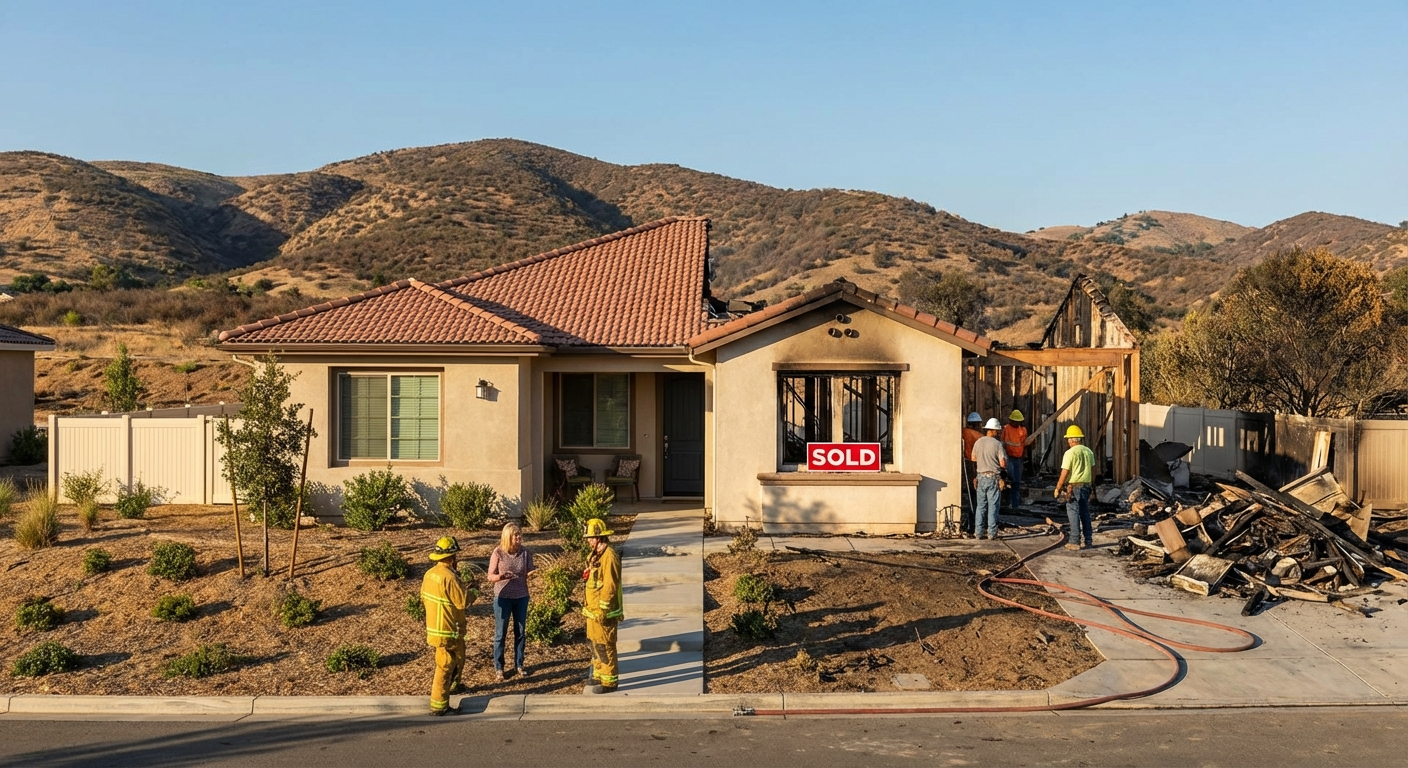
The California Twist: A Market in Flux
Here’s where it gets interesting, and frankly, a bit stressful for many Californians. The Millers found this out the hard way when their long-time insurer, State Farm, announced they wouldn’t be renewing policies in certain high-risk areas. Farmers and AAA have made similar moves, albeit with different parameters. This isn’t just a rumor; it’s a reality hitting homeowners in places like the Napa Valley, the Inland Empire, and yes, Ventura County.
Why are insurers pulling back? Wildfire risk. The sheer scale and frequency of devastating fires have made it incredibly challenging for insurance companies to accurately assess and price policies. They’re losing money. So, what happens if your insurer non-renews you?
This is where the California FAIR Plan comes into play. It stands for “Fair Access to Insurance Requirements.” It’s essentially California’s “insurer of last resort” for homeowners who can’t get coverage in the traditional market. The short answer is yes, the FAIR Plan will provide fire coverage. The real answer is more complicated.
The FAIR Plan is designed to cover just the perils of fire, wildfire, and smoke. It doesn’t typically include all the bells and whistles of a standard homeowner’s policy – things like liability, theft, water damage, or other common perils. For that, you usually need a “difference in conditions” (DIC) policy from a separate carrier, sometimes called a “wrap-around” policy. So, you end up with two policies: one from the FAIR Plan for fire, and one from a private insurer for everything else. It’s more paperwork, and often, more expensive than a single comprehensive policy.
Honestly, the FAIR Plan has faced its own challenges. For years, its dwelling limits were too low for many California homes, especially in expensive areas. But regulators have pushed for changes, and the limits have increased, now covering up to $3 million for dwellings. That’s a step in the right direction, but it’s still not always a perfect fit for everyone.
Getting the Right Advice
Understanding all these moving parts – dwelling limits, personal property, ALE, debris removal, building code upgrades, liability, and the ever-present shadow of the FAIR Plan – can feel like trying to solve a puzzle blindfolded. Many homeowners just don’t know what questions to ask or what to look for in their policy documents.
This is a story Karl Susman hears all the time at LA Fire Coverage Insurance. For more than two decades, he’s been helping folks like the Millers in California understand the ins and outs of fire insurance, especially in this volatile market. With CA License #OB75129, Karl and his team specialize in finding solutions for homeowners, even when other insurers are saying no. They’ve seen it all, from the Santa Clarita fires to the challenges of insuring homes in the Valley’s brush zones.
It’s not just about getting *a* policy; it’s about getting the *right* policy – one that actually protects your most valuable asset when it matters most. You need someone who understands the nuances of Prop 103, the latest changes to the FAIR Plan, and which private carriers are still writing business in your specific zip code. Don’t wait until the smoke is on the horizon.
Want to feel more secure about your coverage? It’s a good idea to talk to an expert who can walk you through your options. You can start the conversation and get a quote right now at https://lafirecoverageinsurance.com/quote/.
FAQ: Your Burning Questions Answered
Does my standard homeowner’s policy cover wildfire?
Generally, yes, a standard homeowner’s policy (often called an HO-3 policy) includes coverage for fire, which typically extends to wildfire damage. However, in California’s high-risk areas, insurers might non-renew these policies or offer them with very high premiums or specific wildfire deductibles.
What exactly is the California FAIR Plan?
The California FAIR Plan is a state-mandated program that provides basic fire insurance coverage for homeowners who can’t get it through the traditional insurance market. It’s often considered the “insurer of last resort.” It primarily covers fire, smoke, and wildfire damage, but usually requires a separate “wrap-around” policy for other perils like theft or liability.
What if my current insurer non-renews my policy due to wildfire risk?
If your insurer non-renews, you’ll need to seek coverage elsewhere. Many homeowners in this situation turn to the California FAIR Plan combined with a “difference in conditions” (DIC) policy for comprehensive coverage. It’s important to start looking for new coverage well before your old policy expires.
Is earthquake damage covered by fire insurance?
No, earthquake damage is not covered by a standard fire insurance policy or even by the California FAIR Plan. Earthquake coverage is a separate policy you must purchase if you want protection against seismic activity.
How often should I review my fire insurance policy?
You should review your policy at least once a year, especially before renewal. This is even more important in California where market conditions, construction costs, and wildfire risks are constantly changing. Make sure your dwelling limits, personal property coverage, and additional living expenses are adequate for today’s costs.
You deserve to sleep soundly. Understanding what your fire insurance truly covers – and where it might fall short – is the first step toward that peace of mind. It’s a complex landscape out there, but you don’t have to navigate it alone. If you’re wondering about your own California fire insurance situation, don’t hesitate. Get a quote and discuss your needs today: https://lafirecoverageinsurance.com/quote/.
***
This article is for informational purposes only and does not constitute financial advice.