
What You’ll Learn:
- Why California fire insurance is getting tougher to find and afford.
- How a fire-resistant roof can make a real difference in your coverage options.
- The different types of roofing materials that offer the best protection.
- Practical steps for upgrading your home’s roof.
- How to work with an insurance expert to get the best possible rates.
The Shifting Sands of California Fire Insurance
For most California homeowners, the idea of fire isn’t just a distant worry anymore. It’s a stark reality. Recent years have seen devastating wildfires rip through communities from the Santa Cruz Mountains down to Ventura County, scorching millions of acres and displacing countless families. It feels like every year brings a new “worst fire season ever.” This isn’t just about the immediate danger, though. It’s profoundly changed the way insurance companies look at our state.
Honestly, getting good fire insurance in California has become a bit of a nightmare. Major players like State Farm, Allstate, and Farmers have either pulled back from writing new policies or significantly limited their coverage in high-risk areas. Why? Simple economics. They’re paying out far more in claims than they’re taking in from premiums. Premiums, by the way, have jumped for many folks, sometimes by 40% or more between 2022 and 2024, especially in areas bordering the Wildland-Urban Interface (WUI).
This leaves many homeowners scrambling. Some end up on the California FAIR Plan, which is designed as a last-resort option. It covers basic fire damage, sure, but it’s often more expensive and doesn’t offer the broad coverage you’d get from a standard policy. It’s not ideal. But here’s where it gets interesting: your home’s construction, particularly its roof, plays a huge part in all this.
Your Roof: More Than Just Shelter
Think about a wildfire. What’s the biggest threat to your home? Embers. Tiny, glowing pieces of burning material can travel for miles on the wind, landing on your roof, in your gutters, or against your walls. If your roof isn’t built to resist these embers, your home becomes a tinderbox. It’s that simple.
Insurers know this. They’ve crunched the numbers, and homes with fire-resistant roofs are statistically less likely to ignite from ember attacks. This isn’t just some theory; it’s proven science. A home with a Class A fire-rated roof, for example, stands a much better chance against a passing wildfire than one with a traditional wood shake roof.
So, does upgrading your roof make a difference to your insurance? The short answer is yes. The real answer is more complicated, but in a good way. It doesn’t guarantee you a spot with a preferred insurer or instantly slash your rates in half. Nobody can promise that. But it significantly improves your home’s risk profile, making you a much more attractive customer to those insurers still willing to write policies in California. It might even be the difference between getting coverage and being uninsurable.
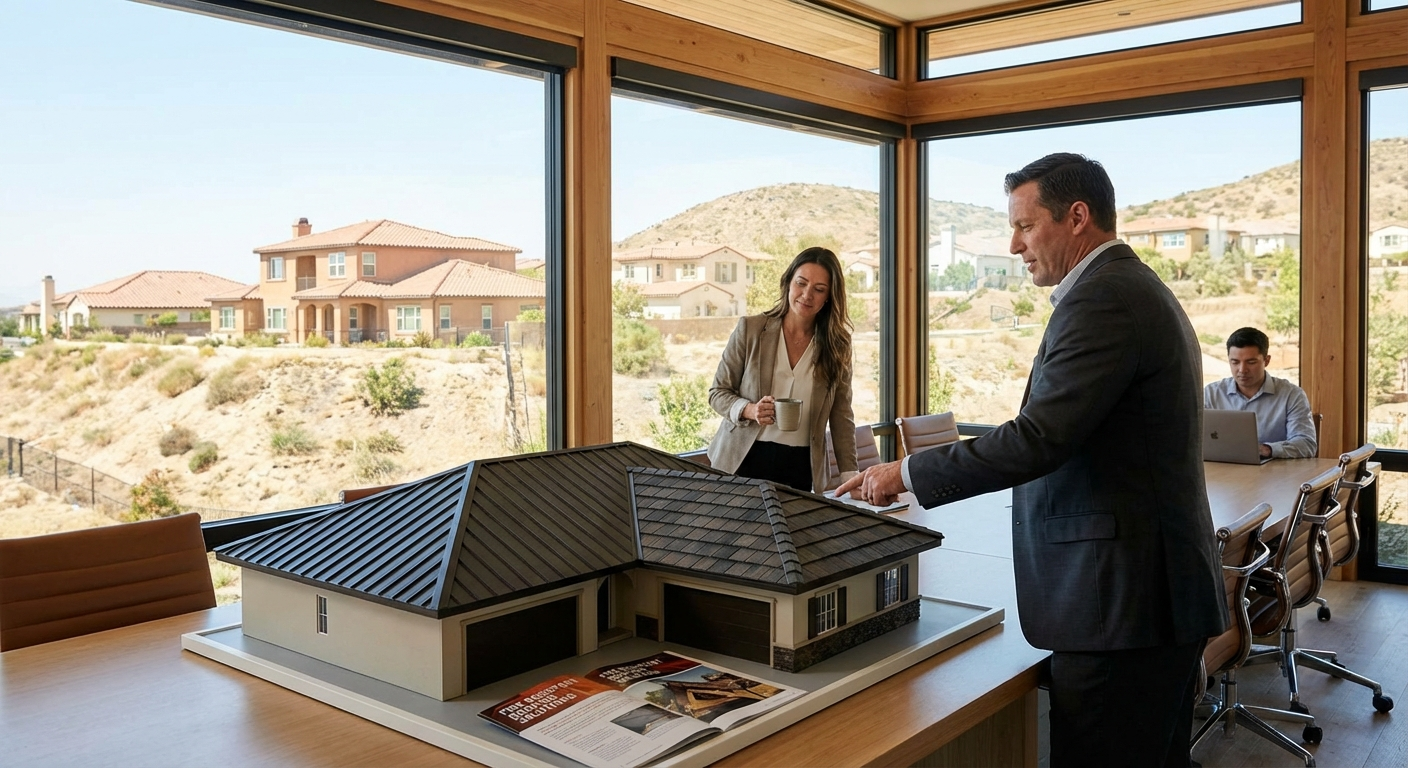
Understanding Fire-Resistant Roofing Ratings
When we talk about fire-resistant roofs, we’re really talking about a rating system. This system, established by ASTM International, classifies roofing materials based on how well they resist fire exposure from outside the building. There are three main classes:
- Class A: This is the best rating you can get. Materials with a Class A rating offer the highest level of fire resistance, meaning they’re very effective against severe fire exposure. They won’t readily ignite, and they’ll resist flame spread.
- Class B: These materials provide a moderate level of fire resistance. They’re effective against moderate fire exposure.
- Class C: This class offers light fire resistance, effective against light fire exposure.
For California homeowners, especially those in or near the Inland Empire or the Sierra foothills, Class A is the gold standard. It’s what insurance companies and fire departments want to see. Anything less, and you’re likely putting your home, and your insurance options, at a disadvantage.
Common Class A Roofing Materials
You’ve got options when it comes to Class A roofing. It’s not just one look or one material. Here are some of the most popular and effective choices:
- Metal Roofing: This includes steel, aluminum, and copper. Metal roofs are non-combustible, durable, and come in a huge variety of styles and colors, from standing seam to tiles that mimic wood shake or slate. They shed embers easily and don’t ignite. Big difference.
- Asphalt Shingles (Fiberglass-Reinforced): Not all asphalt shingles are created equal. Many modern asphalt shingles are reinforced with fiberglass mats and coated with fire-resistant granules, earning them a Class A rating. They’re a popular, cost-effective choice.
- Concrete and Clay Tiles: These materials are naturally non-combustible. Think terra cotta or concrete tiles. They’re heavy, durable, and offer excellent fire resistance, often seen in Spanish or Mediterranean-style homes throughout Southern California.
- Slate: A beautiful, extremely durable, and naturally fire-resistant material. Slate roofs can last for a century or more, offering top-tier protection, though they come with a higher price tag.
- Synthetic/Composite Roofing: These engineered materials often mimic the look of wood shake or slate but are made from recycled plastics or rubber, designed to be highly fire-resistant and durable.
Which brings up something most people miss: it’s not just the material itself. Proper installation, including fire-resistant underlayments and sealed eaves, is also crucial. A Class A shingle on a poorly protected roof structure won’t do you much good.
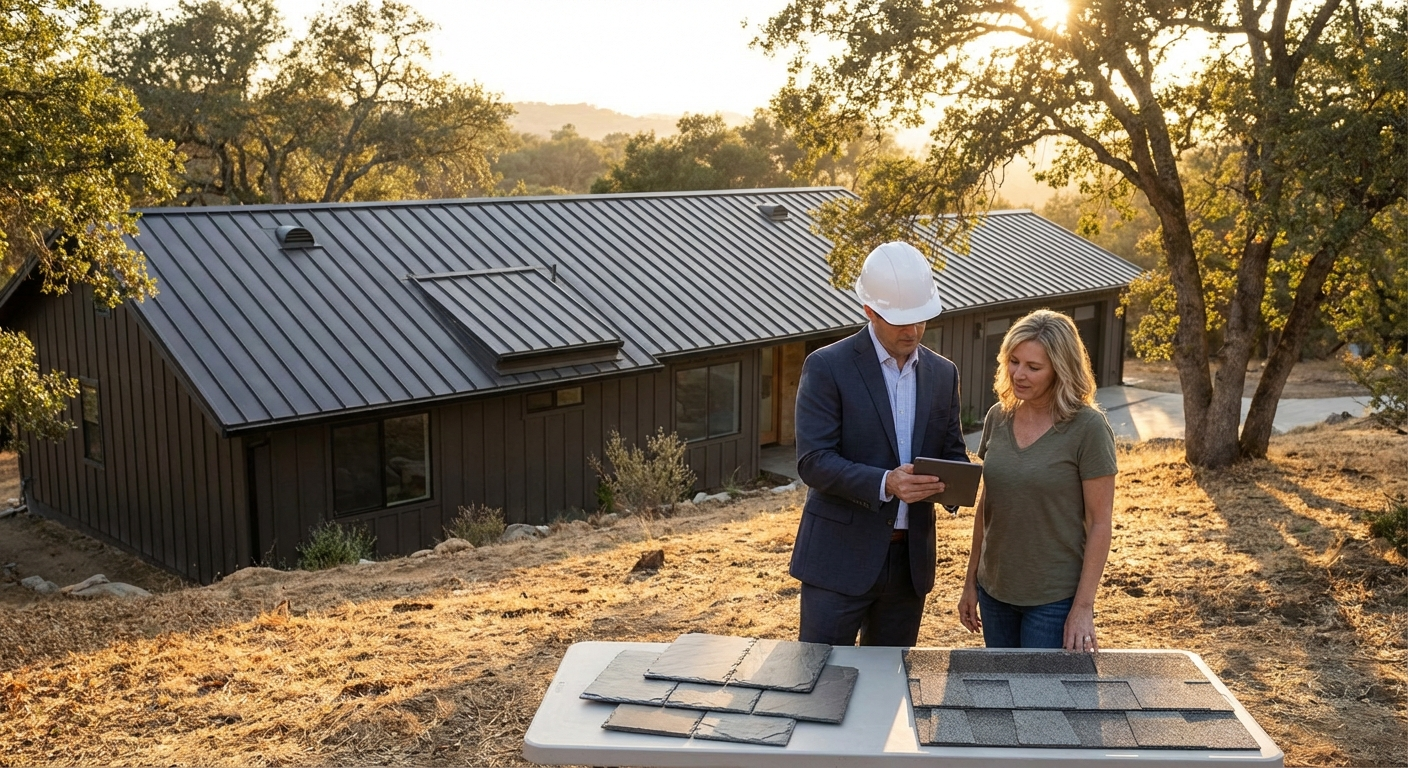
The Road to a Safer Roof: Your Action Plan
Deciding to upgrade your roof is a big step, but it’s a smart one for California homeowners. Here’s a practical roadmap to get it done:
Step 1: Assess Your Current Roof and Needs
First, figure out what you have now. Is it an old wood shake roof? Are your asphalt shingles showing their age? Get a professional roof inspection. A qualified contractor can tell you the condition of your existing roof, its current fire rating (if any), and what challenges might arise during replacement. They’ll also consider your home’s style and your budget.
Step 2: Research and Choose Your Materials
Based on your assessment and budget, start looking at Class A materials. Do you prefer the sleek look of metal, the traditional aesthetic of tile, or the affordability of fiberglass-reinforced asphalt shingles? Consider the longevity of the material, its warranty, and how it will perform in California’s specific climate — hot summers, occasional heavy rains, and, of course, fire season. Your contractor can help guide this decision.
Step 3: Find a Reputable Contractor
This step is absolutely vital. You need a licensed, insured, and experienced roofing contractor. Ask for references, check their reviews, and make sure they have specific experience with fire-resistant roofing installations. Get multiple bids, but don’t just go for the cheapest. A good contractor ensures proper installation, which is key to both fire resistance and insurance eligibility.
Step 4: Understand Permits and Regulations
Replacing a roof almost always requires local building permits. Your contractor should handle this, but make sure they do. Also, be aware that some areas, particularly in high-fire severity zones like parts of Malibu or the San Gabriel Mountains, might have stricter local ordinances regarding materials and construction methods. Your contractor should be familiar with these.
Step 5: The Installation Process
Once you’ve chosen your materials and contractor, the work begins. Depending on the size of your home and the complexity of the roof, this could take anywhere from a few days to a couple of weeks. Make sure the contractor provides you with documentation of the Class A rating of the materials used and proof of proper installation. You’ll need this for your insurance company.
Talking to Your Insurer (or a Pro Like Karl)
Once your new, fire-resistant roof is in place, it’s time to talk to your insurance provider. Don’t just assume they’ll know. You need to proactively share this information. Provide them with the documentation from your contractor, including the Class A rating. They might send an inspector out to verify the upgrade.
This is where an experienced insurance agent really shines. Someone like Karl Susman, with LA Fire Coverage Insurance, CA License #0B75129, understands the nuances of the California market. He knows which carriers are more likely to offer better terms for homes with significant fire-hardening measures. An agent can shop around for you, explaining your upgrades and advocating on your behalf. It’s what they do. They speak the language of risk assessment.
You might find that you qualify for discounts you didn’t before. Or, even better, you might move from the FAIR Plan to a standard market policy, which generally offers broader coverage and often better rates in the long run. It’s not a guarantee, but it opens doors that were previously closed.
Ready to see what a fire-resistant roof could do for your insurance? Get a quote today to explore your options.
Beyond the Roof: Other Fire Hardening Tips
While the roof is a huge piece of the puzzle, it’s not the only one. Insurers also look at your defensible space and other home hardening measures. Think of it as a layered defense:
- Defensible Space: This means creating zones around your home. Zone 0 (0-5 feet from the home) should be completely free of anything combustible. Zone 1 (5-30 feet) should have sparse, well-maintained vegetation. Zone 2 (30-100 feet) involves reducing fuel loads.
- Vents: Embers love to sneak into attic and foundation vents. Install 1/8-inch mesh screens to block them.
- Eaves and Soffits: Make sure these are enclosed or properly sealed to prevent ember entry.
- Windows: Dual-pane windows with tempered glass offer better protection against radiant heat.
- Gutters: Keep them clear of leaves and debris, or consider metal gutter guards.
All these steps together tell an insurer, “This homeowner is serious about protecting their property.” And that message can be powerful when you’re trying to secure the best possible fire insurance in a challenging market. Karl Susman and the team at LA Fire Coverage Insurance can help you understand how these improvements factor into your overall risk profile. Call them at (877) 411-5200 to discuss your home’s specific situation.
Thinking about your next steps? Start with a personalized quote to see how your home’s fire-resistant features could impact your coverage.
Frequently Asked Questions About Fire-Resistant Roofing and Insurance
Does a fire-resistant roof guarantee lower insurance premiums?
Not always. While a Class A fire-rated roof significantly reduces your home’s risk, which can lead to better insurance options and potentially lower premiums, it’s not a guarantee. Insurers consider many factors, including your home’s location, proximity to brush, defensible space, and the overall market conditions in California. It does, however, make you a much more attractive client.
How do I prove my roof is fire-resistant to my insurance company?
You’ll need documentation from your roofing contractor. This should include details about the materials used, their fire rating (e.g., Class A), and proof of proper installation. Photos of the new roof can also be helpful. Your insurance agent will likely ask for these records.
What if I can’t afford a new roof right now? Are there other things I can do?
Absolutely. While a new roof is a major improvement, focusing on defensible space is crucial and often more affordable in the short term. Clear gutters, prune trees, remove dead vegetation, and ensure the area immediately around your home (Zone 0) is free of combustibles. These steps alone can make a big difference and are often required by local fire codes.
Will my home still be eligible for the FAIR Plan if I have a fire-resistant roof?
Yes, if you meet the FAIR Plan’s general eligibility criteria, you can still get coverage. The FAIR Plan is designed to be a market of last resort. Having a fire-resistant roof might make your home more appealing to standard insurers, potentially allowing you to leave the FAIR Plan for broader and often more affordable coverage. The goal is to move you off the FAIR Plan, not necessarily keep you on it.
This article is for informational purposes only and does not constitute financial advice.