
- Understand why fire sprinklers matter for your California home insurance.
- Figure out if your home qualifies for a discount, or how to get it there.
- Learn what documentation insurers actually need.
- Navigate the insurance market, including the FAIR Plan.
- Discover how to get quotes and talk to an agent about these specific savings.
The California Fire Crisis and Your Home Insurance
Living in California means sunshine, beaches, and, increasingly, the constant shadow of wildfire. It’s a tough truth. Just ask anyone who’s faced the devastating fires in Ventura County, or watched the news from the Inland Empire during a Santa Ana wind event. Homeowners here have seen their insurance premiums jump, sometimes by 40% or more between 2022 and 2024. Worse, many insurers, like State Farm and Farmers, have pulled back from offering new policies in high-risk areas. It’s left a lot of folks feeling pretty exposed.
But here’s where it gets interesting. There’s one defense system for your home that insurance companies still really like: fire sprinklers. They’re not just about saving your house; they’re about reducing the overall risk, and that can translate directly into a discount on your fire insurance.
Step 1: Why Insurers Care So Much About Sprinklers
Think about it from an insurance company’s perspective. Their whole business is about risk. A house with fire sprinklers isn’t just safer for the people inside; it’s a house less likely to become a total loss. It’s less likely to spread flames to your neighbor’s place. Plus, sprinklers kick in fast. They can douse a small fire before it becomes a raging inferno, saving thousands, sometimes millions, in potential damages.
California’s building codes have recognized this for a while. Since 2011, almost all new one- and two-family homes have been required to have fire sprinkler systems installed. If your home was built after that, chances are you’ve got them. If it’s an older home, you might have installed them as an upgrade. Either way, that system is a big deal to an underwriter. It signals a proactive approach to safety, which insurers reward.

Step 2: Checking Your Home’s Sprinkler Status
First things first: do you even have a fire sprinkler system? Many homeowners aren’t entirely sure. If your home was built post-2011, it’s highly probable. Look for small, usually white or chrome, sprinkler heads on your ceilings. They’re often flush with the ceiling, not big and bulky like something you’d see in an old factory.
Can’t spot them? Check your home’s original building plans if you have them. Sometimes, a home inspection report from when you bought the place will mention them. If you’re still unsure, a licensed fire protection contractor can inspect your home and confirm. They can also tell you if the system is up to code and well-maintained.
What if you don’t have them? This is where it gets a little more involved. Installing a full residential sprinkler system isn’t cheap. Costs can vary wildly depending on the size and layout of your home, but you’re probably looking at tens of thousands of dollars. It’s a significant investment. However, some homeowners in very high-risk areas, or those struggling to find *any* coverage, might find it’s a worthwhile consideration. It’s not just about the discount; it’s about protecting your biggest asset.
Step 3: Gathering the Right Documentation
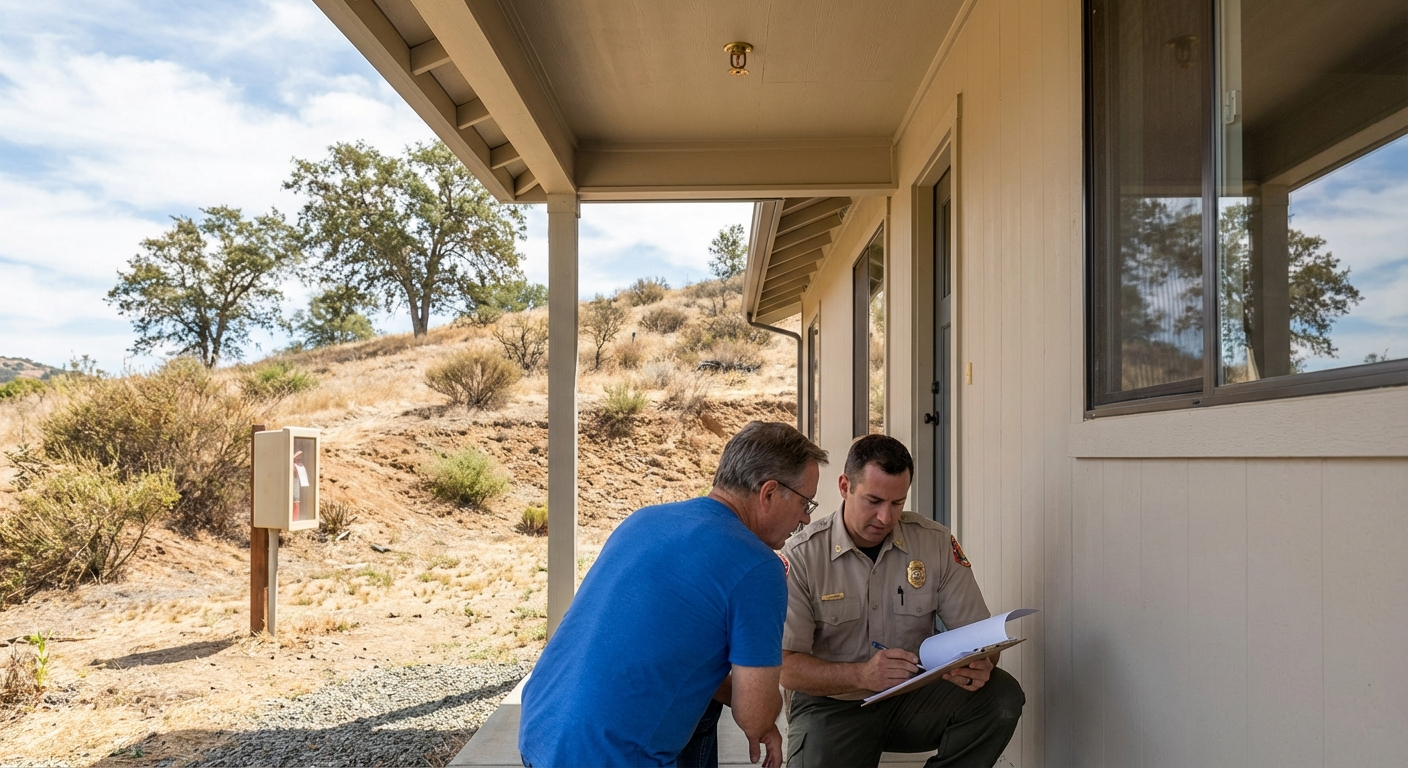
An insurance company won’t just take your word for it. They need proof. This is where many homeowners trip up. You’ll need specific documents to show you have a working, up-to-code fire sprinkler system. Typically, this means:
- Certificate of Occupancy: If your home was built after 2011, this document often confirms the sprinkler installation was part of the final inspection.
- Installation Records/Permits: For older homes where sprinklers were added, you’ll need the permits from your local building department and records from the contractor who installed the system. These documents should detail the system’s specifications and confirm it passed inspection.
- Inspection Reports: Some insurers might ask for a recent inspection report from a qualified fire protection company, verifying the system is in good working order. This is especially true for older systems.
Keep these papers in a safe place. You’ll likely need to provide them when you first apply for a policy or when you renew, especially if you’re shopping around for better rates. No documentation, no discount. It’s that simple.
Step 4: Navigating the Insurance Market with Sprinklers
Alright, you’ve got your sprinklers and your paperwork. Now what? You’re in a better position than many California homeowners, but it’s still not always a walk in the park. The California insurance market is, shall we say, a bit volatile.
First, understand that not every insurer offers the same discount. Some might give you a small break, others a more substantial one. A few might not offer a specific “sprinkler discount” but will factor it into their overall risk assessment, which can still result in a lower premium. It’s not always an itemized line on your quote.
You’ll want to shop around. Don’t just settle for the first quote. This is where an independent insurance agent, someone like Karl Susman at LA Fire Coverage Insurance, becomes incredibly valuable. They work with multiple carriers and can help you compare what’s available. They know which companies are still writing policies in your area and which ones are more likely to offer a decent credit for your sprinkler system.
Which brings up something most people miss. Even if you’re in a high-risk area and have to rely on the California FAIR Plan for your basic fire coverage, your sprinklers can still matter. While the FAIR Plan itself might not have a separate line-item discount, having those sprinklers makes your property more attractive to the “Difference in Conditions” (DIC) policies that supplement FAIR Plan coverage. These DIC policies cover things like liability, theft, and water damage – the stuff FAIR doesn’t. A sprinklered home presents less risk overall, which can help with these supplemental policies too.
Step 5: Understanding the Actual Discount
Honestly, don’t expect a miracle. While fire sprinklers are a significant safety feature, they aren’t a magic wand that makes your premiums disappear. The discount you receive will depend on several factors:
- Your specific insurer: As mentioned, rates vary.
- Your home’s location: A sprinklered home in a low-risk suburban area will likely see a different discount than one deep in a high-severity zone near the Angeles National Forest.
- The overall market conditions: If the entire state is getting hammered by wildfires, even the best safety features might only soften the blow, not eliminate it.
Prop 103, passed back in 1988, requires insurers to offer discounts for certain safety features. Fire sprinklers definitely fall into that category. So, insurers *must* offer something. But the exact percentage? That’s not fixed. It could be anywhere from 5% to 20% off the fire portion of your premium, sometimes more, sometimes less. It’s a real savings, though, and over years, it adds up.
Think of it this way: in a market where premiums are rising and coverage is scarce, any discount is a win. It’s a tangible benefit for being proactive about safety.
Step 6: Beyond the Money — The True Value of Sprinklers
While we’re talking about discounts, let’s not forget the biggest benefit of fire sprinklers: safety. They save lives. They save property. They give you peace of mind during fire season. That’s worth more than any premium reduction.
Imagine the 2025 LA fires (hypothetically, of course) bearing down. Knowing your home has an active defense system provides a level of comfort you just can’t put a price on. Plus, a sprinklered home often holds higher resale value. Buyers in California are increasingly aware of fire risk, and a built-in safety system is a major selling point.
So, while the insurance discount is a great incentive, remember the bigger picture. You’re investing in your family’s safety and your home’s future.
Frequently Asked Questions About Sprinkler Discounts
Q1: Will my fire sprinkler discount apply to my entire homeowner’s premium?
Not always. The discount typically applies to the “fire” portion of your homeowner’s insurance premium. Your overall premium includes other coverages like liability, theft, and water damage, which aren’t directly impacted by fire sprinklers. But since fire coverage is a big part of the cost in California, it’s still a significant saving.
Q2: Do I need to get my sprinkler system inspected regularly to keep the discount?
Some insurers might require periodic inspections, especially for older systems, to ensure they remain in good working order. It’s a good idea to have your system checked annually by a professional, regardless of the insurance requirement. Always check your specific policy terms or ask your agent.
Q3: What if my home is older and doesn’t have sprinklers? Is it worth installing them just for the discount?
The short answer is yes, it can be. The real answer is more complicated. Installing a full system can be very expensive. For some, the cost might outweigh the insurance savings, especially in lower-risk areas. However, in high-risk zones where finding *any* affordable coverage is tough, or where the peace of mind is paramount, the investment might be well worth it. It’s best to get quotes for both installation and insurance before making a decision. Talk to an agent like Karl Susman about your specific situation.
Q4: My insurance company doesn’t seem to be giving me a discount. What should I do?
First, make sure you’ve provided all the necessary documentation. If you have, and they still aren’t offering a discount, it’s time to shop around. Not all insurers price risk the same way. An independent agent can help you find carriers that are more favorable to homes with fire sprinklers. Remember, under Prop 103, insurers are generally required to offer discounts for safety features.
Ready to See Your Potential Savings?
Don’t leave money on the table. If you have fire sprinklers, make sure you’re getting the credit you deserve. It’s a smart move in today’s California insurance market.
Talk to a local expert who understands the nuances of California fire insurance. Karl Susman and the team at LA Fire Coverage Insurance (CA License #0B75129) are here to help you explore your options and find the best coverage for your sprinklered home. Get started with a personalized quote today:
https://susmaninsurance.com/get-a-quote/
Seriously, it only takes a few minutes to see how much you could save. Give Karl a call at (877) 411-5200, or click the link to get the ball rolling:
https://susmaninsurance.com/get-a-quote/
This article is for informational purposes only and does not constitute financial advice.